How to Identify JC-PPPA, JC-PPPK, and JC-PPPM
Use connection geometry, outside diameter, and typical flow direction for rapid preliminary identification, then confirm fit with drawings and samples before ordering.
Connection first. Flow direction second. Dimensions always confirmed.
Use this tool for rapid preliminary identification of PPPA, PPPK, and PPPM. Similar appearance never replaces dimensional confirmation; verify the end-cap drawing, seal position, and housing interface.
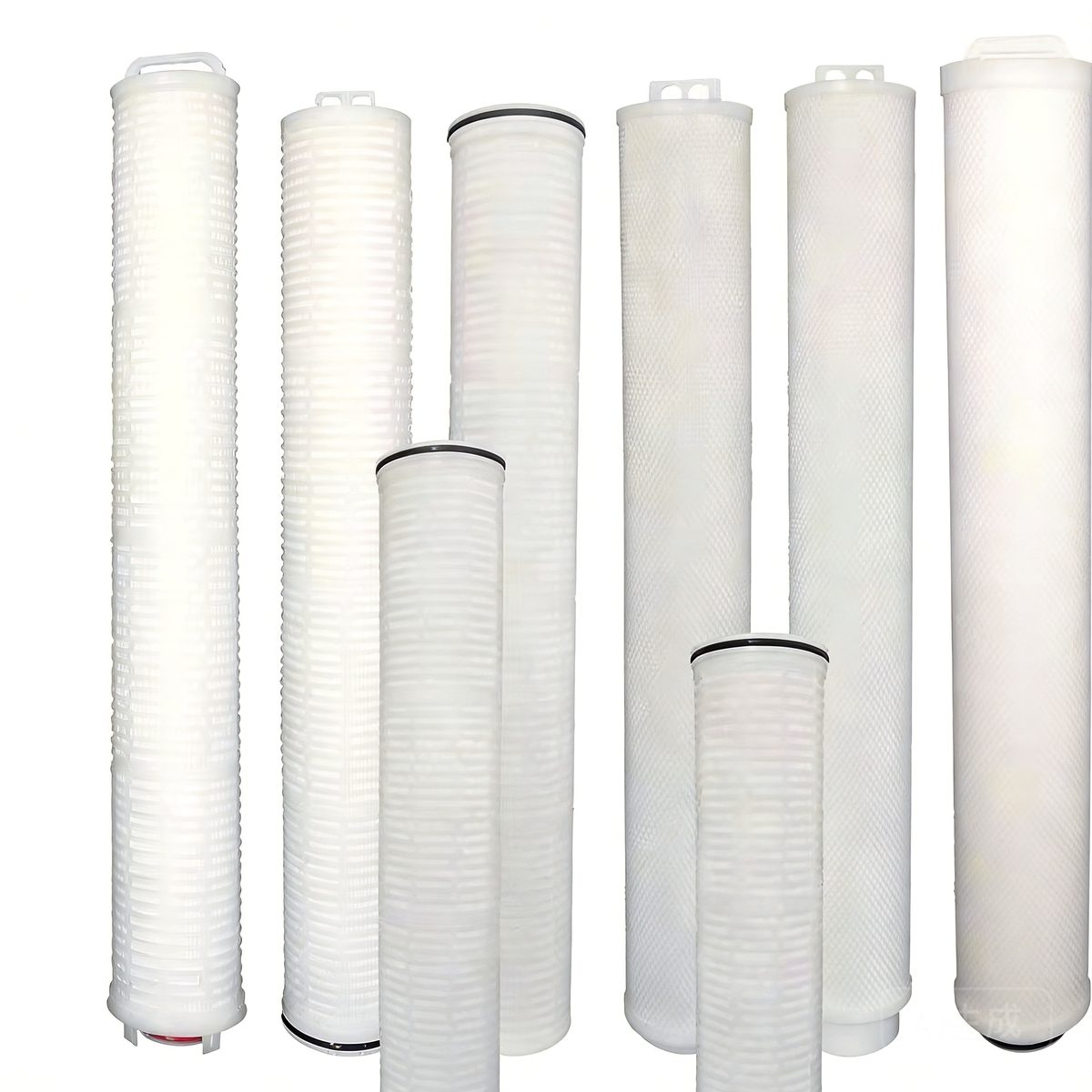
JC-PPPA
A-type end connection
| Model | Outside diameter | Typical flow | Interface ID | Lengths | Micron ratings |
|---|---|---|---|---|---|
| JC-PPPA | 152 mm | Inside → Out | A-type end connection | 20 / 40 / 60 inch | 1–100 μm |
| JC-PPPK | 152 mm | Outside → In | K-type end connection | 20 / 40 / 60 inch | 1–100 μm |
| JC-PPPM | 160 mm | Inside → Out | M-type end connection | 20 / 40 / 60 inch | 1–100 μm |
Identification note: images are series references. Appearance can vary with length, media, end cap, and customization. Before ordering, provide photos, overall length, outside diameter, end-cap dimensions, seal position, and housing model.
From identification to replacement approval
The tool and comparison table above provide preliminary identification clues, not a universal cross-reference for other brands. After identifying a candidate family, confirm the selected variant drawing, housing data and acceptance requirements.
What is needed to assess a replacement?
- Old-element model and housing nameplate; photos of both ends and the sealing features.
- Overall length, outside diameter, interface dimensions and seal-groove locations in mm; state whether handles are included.
- Actual flow direction, fluid, concentration, temperature, flow rate and allowable differential pressure.
- Rating and efficiency definition, seal material, cleaning and acceptance requirements.
When should selection remain on hold?
“40 in high-flow” or a similar appearance is insufficient. If flow direction is unknown, the sealing seat cannot be measured, source dimensions conflict or pressure limits are missing, obtain the correct revision drawing or sample before selecting a model.
A trial fit checks mechanical fit only; retention, sealing reliability and service life require separate validation. Follow site isolation, depressurization and draining procedures before opening the housing.
Published by JINLV Filtration. Basis: the JC product references linked above and a dimensional-review workflow. No cross-brand equivalence certification or independent performance endorsement is implied.
High-flow identification: evidence before substitution
Reference basis
JC-PPPA, JC-PPPK and JC-PPPM are identified here by connection features and flow direction. The linked pages are JINLV preliminary identification and measurement guides.
What is not established
A similar appearance or nominal length does not prove a drop-in replacement. Reference flow does not establish capacity at your viscosity, temperature and pressure drop. No universal brand-equivalence claim is made by this guide.
Before approval
Request the revision-controlled dimensional drawing, retention definition and available flow/pressure test conditions for the exact configuration. Keep fit and performance approval separate.
Published by JINLV Filtration · Content updated: . References support preliminary review, not independent certification or a signed engineering approval.